How the top coat on modern paint protection film recovers from light swirls, and where its limits are.
One of the most talked-about features of modern paint protection film (PPF) is its "self-healing" top coat. It is a genuine benefit, but it is often misunderstood. Here is what it actually does.
How self-healing works
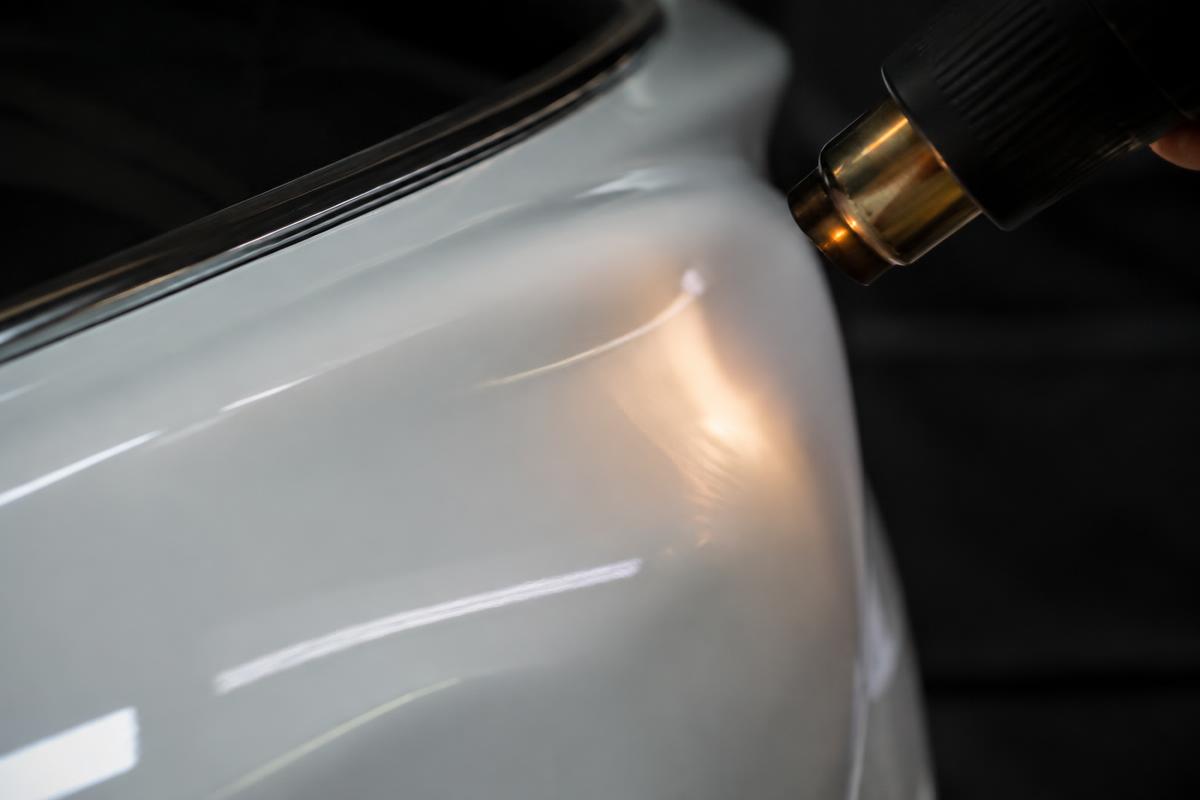
Quality PPF has an elastomeric top coat. When that top layer is lightly marked, warmth allows it to relax back towards its original shape, so fine marks fade. In Gauteng, a warm sunny day is often enough; warm water or gentle heat during a detail can help too.
What it typically recovers from
- Light wash swirls and fine marring
- Fingernail marks around door handles
- Light scuffs from bags, clothing or brushing past the car
What it won't fix
- Deep cuts or gouges that go through the film
- Impacts hard enough to chip the paint underneath
- Chemical staining left on the film for long periods
The important point: even when the film is damaged, it has done its job. The paint underneath is protected, and a damaged panel of film can be replaced without a respray.
Keeping the top coat at its best
Wash with a pH-neutral shampoo, use clean microfibre, avoid harsh brushes and abrasive polishes, and remove bird droppings and tree sap promptly. We give every client aftercare guidance after installation.
Want to see how PPF would suit your vehicle? Request a personalised quote and we will recommend the right coverage.