A plain-English guide to ceramic coating — gloss, easier washing and chemical resistance — and what it can't do.
Ceramic coating is one of the most popular finishing services in car care, and also one of the most over-sold. If you are considering it, here is an honest view.
What a ceramic coating is
A ceramic coating is a liquid applied to prepared paint that cures into a thin, hard, slick layer bonded to the surface. It is far thinner than paint protection film — think of it as a semi-permanent protective layer rather than a physical shield.
What it does well
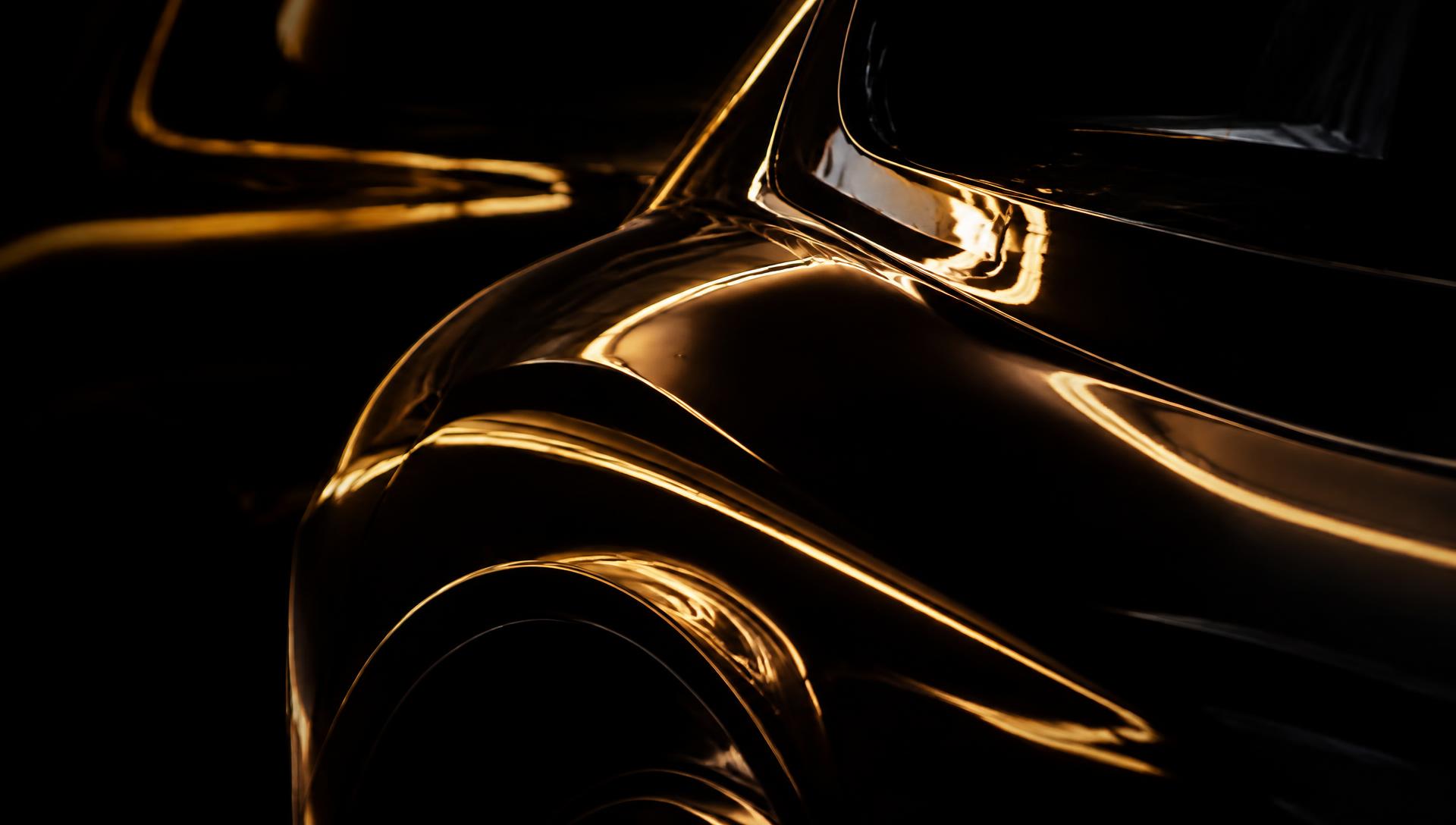
- Gloss and depth: it sharpens reflections and enriches colour.
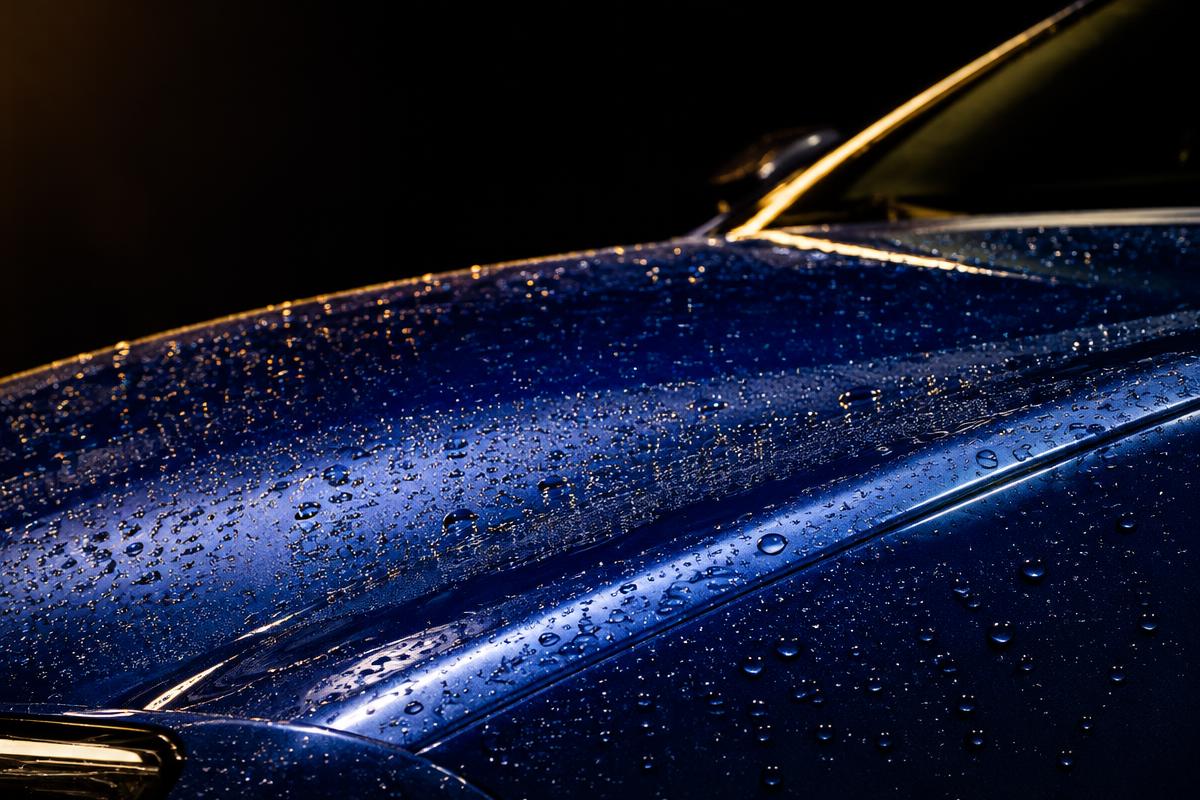
- Easier cleaning: water and dirt release more easily, so washing is quicker.
- Chemical and UV resistance: it helps resist bird droppings, insect residue and fading when kept clean.
What it doesn't do
- It does not stop stone chips — that is the job of PPF.
- It is not scratch-proof; it can still be marred by poor washing.
- It is not maintenance-free; regular, correct washing keeps it performing.
Ceramic coating and PPF together
Many owners combine the two: PPF on high-impact areas such as the bonnet, bumper and mirrors, and a ceramic coating for gloss and easier cleaning. Some coatings are made specifically for film, so the whole car finishes evenly.
Preparation is everything
A coating locks in whatever is underneath it, so the paint should be properly washed, decontaminated and corrected first. Skipping prep simply seals in swirls.
Not sure whether you need a coating, PPF or both? Ask us — we will explain the options for your vehicle and how you use it.